
Posts in Instructions

EU AI Act and generative AI content - How to track how content is created and used?

11 September 2026

AI Generated Image of Chaos while managing imagesWas this image created by AI?  This article has been edited with AI.

Artificial intelligence has quickly become a normal part of communications and marketing work. It is used to create images, edit photographs, produce text, create videos, generate subtitles and search for content. At the same time, a new question arises:

How can an organisation later know which assets have been created or processed using AI – and how can that information be preserved with the asset all the way through to publication?
This is the secret why assets are found in your DAM.

19 February 2024

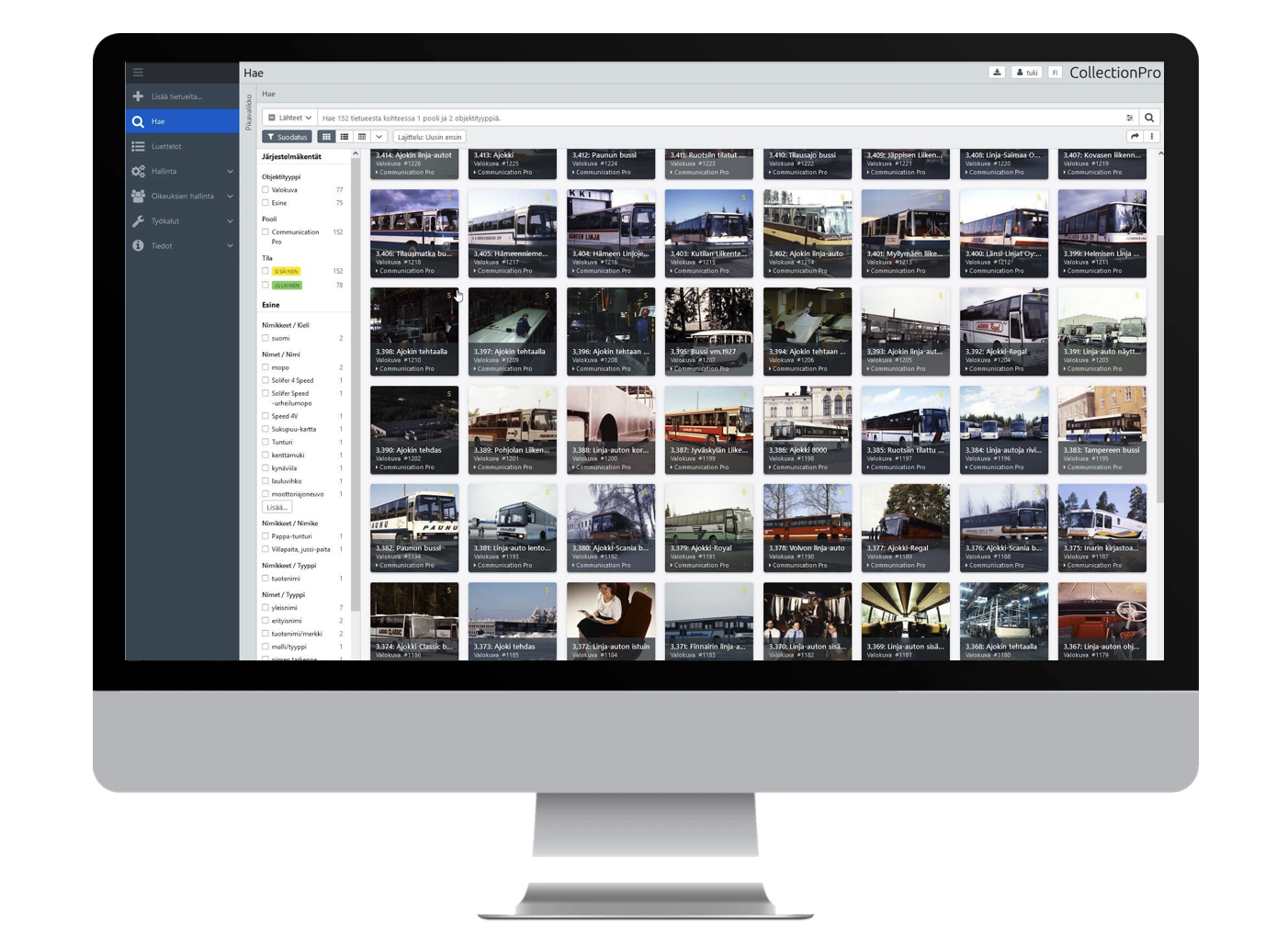
Image of a digital asset management interface on a IOS computer

In today's digital world, where we've grown accustomed to finding information instantly thanks to search engines like Google and comprehensive resources like Wikipedia, our expectations for searching and navigating within Digital Asset Management (DAM) systems have skyrocketed. For those unfamiliar, a DAM system is a repository that stores and organizes digital assets such as documents, images, videos, and more. To meet user expectations for fast and easy access to these assets, DAM systems utilize a variety of organizational tools, including categories, albums, tags, taxonomy, ontology, filters, and more.

Approval workflows in the creation process provide several benefits for any organisation

31 March 2023

Approval workflows while producing marketing collateral and product specific documents and images, can provide several benefits used in a Digital Asset Management (DAM) system, such as:

Quality control: By routing assets for approval before they are made available to the rest of the organization, approval workflows can help to ensure that assets are accurate, complete, and of high quality. This can help to improve the overall effectiveness of the organization's communications and branding efforts.